
Water heater leaking is one of the most frustrating household problems you can face.
Not only can it cause significant water damage, but it can also lead to rising energy bills and, in some cases, a need for costly replacement.
By understanding the causes of water heater leaks, how to fix them, and when to call a pro, you can save time, money, and stress.
In this article, we’ll cover the common reasons for leaks, troubleshooting tips, and maintenance or repair steps.
Is a Leaking Water Heater Dangerous?
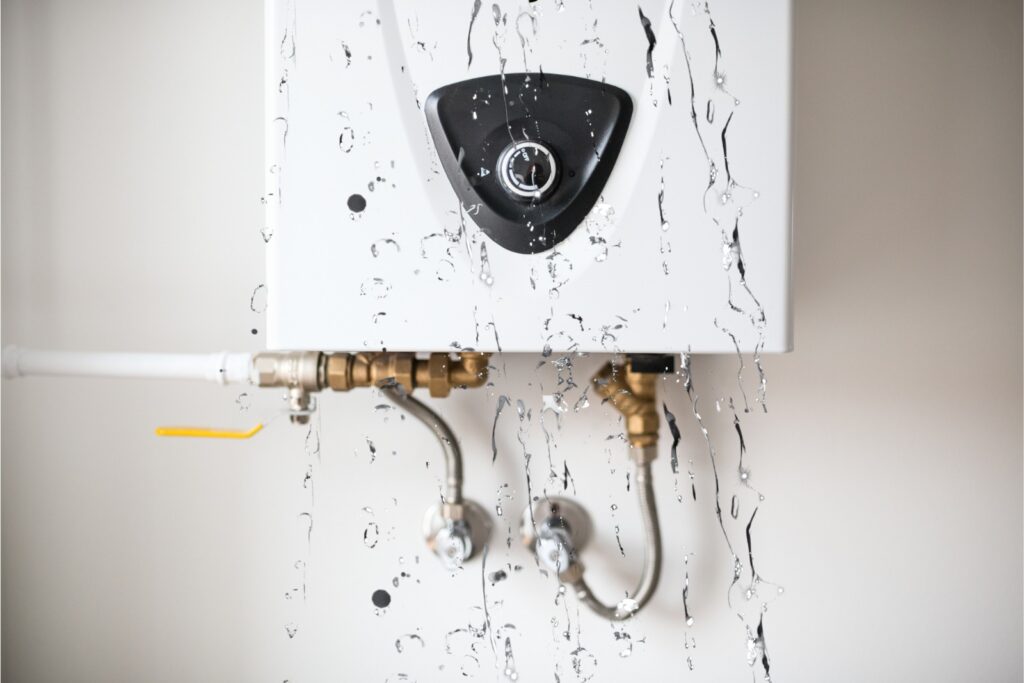
Yes, a leaking water heater can be dangerous if not addressed promptly. While some leaks may seem minor, they can lead to a range of potential hazards.
Here are a few reasons why a leaking water heater should never be ignored:
1. Water Damage
One of the most immediate risks of a leaking water heater is water damage. Even a small leak can lead to significant water accumulation around the unit and in the surrounding area.
If the leak is left unchecked, it can damage flooring, walls, and nearby appliances, potentially causing costly repairs and structural damage.
2. Electrical Hazards
For electric water heaters, a leak near the electrical components poses a serious safety risk.
Water can come into contact with the electrical wiring, creating the potential for short circuits or even electrical fires.
3. Gas Leaks (For Gas Water Heaters)
Gas-powered water heaters are particularly dangerous if they begin to leak.
A water heater that is leaking from the bottom or any other part of the system may indicate an issue with the gas lines or burner.
If the leak allows gas to escape, it creates the risk of fire or explosion, which can be catastrophic.
If you suspect a gas leak, it’s important to shut off the gas supply immediately and call a professional to assess the situation.
4. Increased Energy Costs
Even though this is not a direct danger to your safety, a leaking water heater can lead to higher energy bills.
A continuous leak may cause your heater to work harder to maintain the water temperature, using more energy than necessary.
Over time, this can result in a significant increase in energy costs.
5. Tank Rupture
A more severe risk occurs when a water heater’s tank ruptures due to pressure buildup or corrosion.
If the tank ruptures, it can flood the area around the heater with large amounts of water.
In some cases, the water can cause severe damage to floors, walls, and even electrical systems.
Additionally, when a tank bursts, it can send scalding hot water spilling everywhere, posing a serious risk of burns and injuries.
6. Mold Growth
When water leaks continuously from a water heater, the excess moisture in the environment can create the perfect breeding ground for mold and mildew.
Mold growth can affect the air quality in your home, lead to respiratory problems, and cause damage to furniture and walls.
Addressing the leak quickly can help prevent mold growth from becoming an issue.
What Causes a Water Heater Leaking?
Water heater leaks can be caused by several issues, ranging from simple hose problems to more complex tank deterioration.
Understanding the different types of leaks and their causes is the first step in determining how to fix them.
1. Water Heater Tank Leaking
A water heater tank leaking is one of the most serious issues you can face.
If the tank itself has developed a leak, it could be due to corrosion or a manufacturing defect.
Over time, minerals in the water can cause the tank to rust, especially if you have hard water. Once the tank starts to corrode, it may create holes that lead to leaking.
This issue usually calls for a replacement of the entire unit since repairing a water heater tank is not feasible.
2. Water Heater Leaking from Bottom
If you notice water pooling around the bottom of your water heater, this could indicate a leak from the bottom of the tank.
A leaking water heater from the bottom is often caused by a ruptured tank, loose drain valve, or damage to the internal plumbing.
It’s crucial to address this issue immediately to prevent further damage to your home and ensure you don’t experience a complete breakdown of your water heater.
3. Water Heater Hose Leak
A water heater hose leak is another common issue that might be easier to fix than a tank or bottom leak.
Hoses are typically used to connect the water heater to the plumbing system. Over time, hoses can degrade, crack, or become loose, leading to leaks.
To check if the hose is the issue, inspect the area around the hoses for water buildup.
If you find any, tighten the hose fittings or replace the hoses entirely if they appear damaged.
If the hose leak is minor, you can address it yourself, but larger leaks or issues with the connection should be handled by a professional.
What Should You Do If You Notice a Water Heater Leaking?
If you spot any signs of a leak, such as puddles around the heater, damp walls, or an increase in your water bills, it’s important to take immediate action to prevent further damage.
First, turn off the power supply (for electric heaters) or the gas supply (for gas heaters) to prevent any potential hazards.
Then, turn off the water supply to the heater to stop more water from leaking. Once you’ve done that, you’ll need to determine the cause of the leak.
If you’re unsure of the cause or if it looks like the tank itself is leaking, call a professional plumber immediately.
Is a Leaking Water Heater Covered by Insurance?
If you’re concerned about whether a water heater leaking will be covered by insurance, the answer is: it depends.
Most homeowners’ insurance policies do not cover damage caused by regular wear and tear, such as a leaking water heater that results from corrosion.
However, if the leak causes significant water damage to your home, your homeowner’s insurance policy may cover the cost of repairs to the property.
It’s important to review your policy and contact your insurance company to clarify whether your specific situation is covered.
In cases where the water heater was damaged due to an accident or unexpected event, such as a burst pipe, insurance may cover the repair costs.
How to Prevent Future Water Heater Leaks
While leaks are sometimes unavoidable, there are steps you can take to minimize the risk of your water heater leaking in the future:
- Routine Maintenance: Regularly flushing your water heater and checking the temperature and pressure relief valve can help prevent buildup and identify potential problems early.
- Install a Water Softener: If you have hard water, installing a water softener can reduce mineral buildup inside the tank, which can cause corrosion and leaks.
- Replace Anode Rod: The anode rod inside the tank helps prevent rust and corrosion. Replacing it every few years can extend the life of your water heater.
- Inspect Hoses and Valves: Regularly inspect the hoses and valves for signs of wear and tear, and replace them as needed to avoid leaks.
When to Call a Professional for a Leaking Water Heater
If you’ve determined that your water heater is leaking from the tank, bottom, or hoses, and you’re unable to fix the issue yourself, it’s time to call a professional plumber.
Even if the leak seems minor, it’s always better to be safe than sorry, as untreated leaks can lead to larger problems.
A licensed plumber can properly diagnose the issue, perform repairs, or recommend replacing the unit if necessary.
Trying to handle a leaking water heater without the proper knowledge or tools could end up costing more in the long run, so don’t hesitate to reach out for help.
Need Help with a Water Heater Leak? Call GSE Plumber
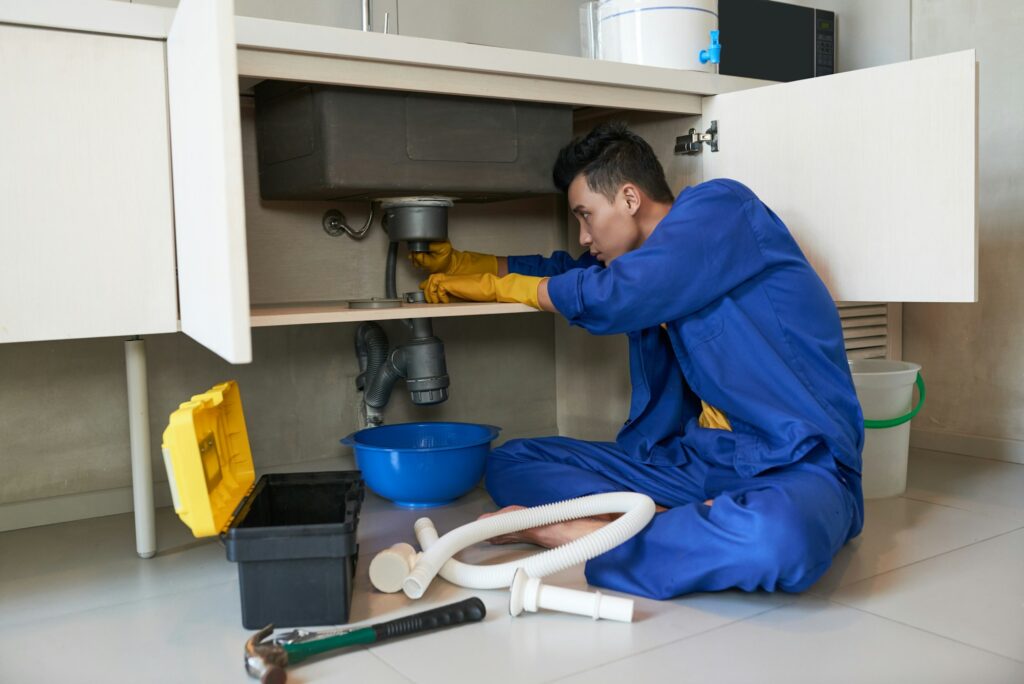
A leaking water heater is more than just an inconvenience; it can lead to water damage, increased energy costs, and a potential breakdown of your unit.
If you’re dealing with a water heater leaking and need expert help, don’t hesitate to contact GSE Plumber, a trusted 24-hour plumbing service in Singapore.
Our team of licensed professionals is available around the clock to diagnose and repair your water heater issues, ensuring minimal disruption to your daily life.
Whether it’s a simple fix or a more complex issue like a clear toilet bowl choke, toilet bowl installation, or a choked kitchen sink, GSE Plumber has the experience and tools to get the job done quickly and efficiently.
Call us today for fast, reliable service!