
When it comes to plumbing, taps play an essential role in controlling water flow in homes and commercial spaces.
Whether it’s in the kitchen, bathroom, or any other area, choosing the right tap can enhance functionality and aesthetics.
In this guide, we’ll explore the different types of taps in plumbing, their uses, and how to choose the best one for your needs.
What Is a Faucet in Plumbing?
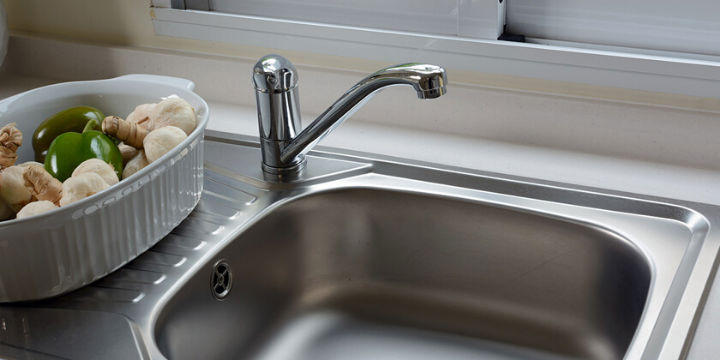
A faucet, commonly known as a tap, is a device used to control the release of water from a pipe.
Faucets come in various designs and functionalities, making them a crucial component of plumbing systems in kitchens, bathrooms, and basins.
They help regulate water flow and temperature, ensuring convenience and water efficiency.
Different Types of Taps in Plumbing

There are several types of taps used in plumbing, each designed for specific purposes. Here are some of the most common ones:
1. Pillar Taps
Pillar taps are separate hot and cold taps commonly used in bathrooms and basins. They require two tap holes and are controlled individually.
2. Mixer Taps
A mixer tap combines both hot and cold water into a single spout, allowing users to control temperature easily. These taps are popular in kitchens and bathrooms.
3. Monobloc Taps
Monobloc taps have a single handle that controls both water temperature and flow. They are commonly found in modern kitchens and basins.
4. Ball Taps
Ball taps use a rotating ball mechanism to control water flow and temperature. They are commonly used in kitchen sinks due to their ease of use.
5. Disc Taps
Disc taps use ceramic discs to regulate water flow. They are durable and provide precise control, making them ideal for kitchens and bathrooms.
6. Compression Taps
Compression taps use rubber washers to control water flow. They are budget-friendly but require more effort to operate compared to other tap types.
7. Sensor Taps
Sensor taps operate automatically using motion sensors, making them a hygienic choice for public restrooms and modern kitchens.
8. Wall-Mounted Taps
Wall-mounted taps are installed directly onto walls, creating a sleek look for basins and kitchen sinks while saving counter space.
9. Bib Taps
Bib taps are typically used in outdoor areas, such as gardens and garages, to provide water for hoses and cleaning purposes.
10. Bridge Taps
Bridge taps have a vintage design with two separate handles connected by a central spout. They are ideal for traditional kitchen and bathroom setups.
Bathroom Tap Options

Bathroom taps come in a variety of designs, each serving a unique purpose and contributing to the overall bathroom aesthetic.
Whether you’re looking for a modern, minimalist style or a more traditional design, there’s a tap that can elevate the look of your space while offering the functionality you need.
From sleek mixer taps to elegant waterfall designs, bathroom taps are an essential element of your bathroom’s design.
1. Basin mixer taps
These taps are perfect for modern bathrooms, as they combine both hot and cold water into one spout, allowing for easy control of water temperature.
The integrated design is stylish and practical, offering a streamlined look for contemporary sinks.
2. Wall-mounted taps
Wall-mounted taps are an excellent choice if you’re aiming for a minimalist and clean look.
By mounting the tap on the wall, it creates more counter space and reduces clutter, perfect for small or modern bathrooms.
3. Freestanding taps
Freestanding taps are commonly used with bathtubs, offering a tall, elegant design that creates a statement piece in your bathroom.
They’re ideal for freestanding bathtubs, providing both functionality and aesthetic appeal.
4. Waterfall taps
For a touch of luxury, waterfall taps provide a continuous, flowing stream of water, creating a relaxing and visually stunning effect.
They’re a great choice for those who want to add an element of elegance and sophistication to their bathroom.
5. Kitchen Tap Options
In the kitchen, taps need to be as functional as they are stylish. Whether you’re washing dishes, filling a pot, or making coffee, the right kitchen tap can make all the difference.
Choose a tap that complements your kitchen style while providing the practicality you need for everyday tasks.
6. Pull-out spray taps
These taps feature a retractable spray head, allowing you to easily rinse dishes, clean the sink, or fill large pots. They offer convenience and flexibility for any kitchen.
7. Dual-lever taps
Dual-lever taps provide separate controls for hot and cold water, giving you precise temperature adjustments. Their classic design fits well in both traditional and modern kitchens.
8. Single-lever mixer taps
A single-lever mixer tap offers convenience by combining both hot and cold water controls into one handle. This simple design makes it easy to adjust water temperature with one hand, making it perfect for busy kitchens.
9. Boiling water taps
Boiling water taps deliver instant hot water, saving you time when cooking or making drinks. They’re ideal for those who regularly use hot water for tasks like boiling pasta or making tea.
10. Filtered water taps
Filtered water taps provide clean, purified drinking water directly from your tap. They often come with built-in filtration systems, ensuring that your water is free from impurities and safe to drink.
11. Basin Tap Choices
Whether in a bathroom or utility area, basin taps combine both style and practicality.
Choosing the right basin tap can enhance the aesthetic of your space while ensuring easy water control. There are several options available depending on your needs and the style you’re aiming for.
12. Monobloc taps
Monobloc taps are compact and sleek, ideal for modern basins. With a single unit that controls both hot and cold water, they create a streamlined, minimalist look while providing efficient performance.
13. Pillar taps
Pillar taps are a traditional choice, where separate taps control hot and cold water. Often used in classic or vintage-style bathrooms, they offer a charming, old-fashioned look.
14. Sensor taps
Sensor taps are perfect for enhancing hygiene and water conservation. They operate hands-free, turning the water on and off automatically when a hand is detected, reducing the spread of germs and saving water.
15. Wall-mounted basin taps
Wall-mounted basin taps offer a minimalist aesthetic by freeing up counter space. This style is perfect for contemporary bathrooms, providing a clean and uncluttered look while still being highly functional.
When to Call a Plumber to Change Taps

While some tap replacements are simple DIY tasks, there are times when calling a professional plumber is necessary.
Here are some signs that you need a plumber to change taps:
1. Leaking taps
Persistent dripping from a tap can often be a sign that the internal components, such as the washers or seals, have worn out over time.
If the problem isn’t fixed, it could lead to higher water bills and potential water damage.
While some minor leaks can be addressed with simple repairs, a professional plumber can inspect and replace the necessary parts to restore your tap’s functionality.
2. Low water pressure
If you’re noticing a sudden drop in water pressure when using the tap, the issue may be within the tap itself.
A blockage or malfunctioning mechanism could be restricting the water flow, which can be difficult to fix on your own.
A plumber can diagnose the cause, whether it’s buildup inside the faucet or a problem with the plumbing, and replace the tap if necessary to restore normal pressure.
3. Rust or corrosion
Taps that show signs of rust or corrosion are not just unsightly but can also pose a health risk.
Over time, corrosion can weaken the structure of the tap and make it less effective.
A professional plumber can help by replacing the tap with a new one, ensuring that the materials used are safe and durable, which prevents further deterioration and keeps the water supply hygienic.
4. Upgrading fixtures
If you’re renovating your kitchen or bathroom and want to upgrade your taps, it’s best to call a plumber for installation.
Professional installation ensures that the new taps are properly fitted and aligned with your plumbing system.
This prevents issues like leaks, misalignments, and water damage that can occur if fixtures aren’t installed correctly.
5. Loose or wobbly taps
A loose or wobbly tap could indicate that the mounting or plumbing connections are not secure, which may cause water to leak or damage the surrounding area.
If tightening the tap yourself doesn’t resolve the issue, a plumber can assess the situation, fix the underlying cause, and securely re-install the tap to prevent further problems.
Contact GSE Plumber for Professional Tap Installation and Repairs
Need help with changing or installing taps? GSE Plumber offers expert plumbing services, ensuring leak-free and efficient tap installations.
Whether you need a new bathroom tap, kitchen tap, or basin tap, our professionals are ready to assist.
Contact GSE Plumber today for reliable and affordable plumbing solutions!