
A bathroom ventilation fan keeps your bathroom fresh and dry by removing moisture from the air.
Without proper ventilation, steam from showers can lead to mold, peeling paint, and bad odors.
Over time, excess humidity can damage walls, ceilings, and fixtures. A good fan helps prevent these problems, improving air quality and protecting your home.
Why Use Bathroom Ventilation?

Good bathroom ventilation keeps your bathroom fresh and dry. When steam from showers builds up, it can cause mold, bad smells, and even damage to walls and ceilings.
A bathroom ventilation fan helps remove this moisture, keeping the air clean and preventing dampness.
If your bathroom isn’t properly ventilated, you’ll notice water droplets on mirrors, walls, and ceilings.
Over time, this moisture creates the perfect conditions for mold to grow, which can lead to health problems, especially for people with allergies or breathing issues.
A fan helps by moving moist air outside before it can cause damage.
Besides preventing mold, a ventilation fan also helps clear out bad smells and improves air quality. Bathrooms can trap odors, making the space uncomfortable.
With a proper fan, you can enjoy a fresher, cleaner bathroom while also protecting your home from long-term moisture damage.
Signs of Bad Bathroom Ventilation
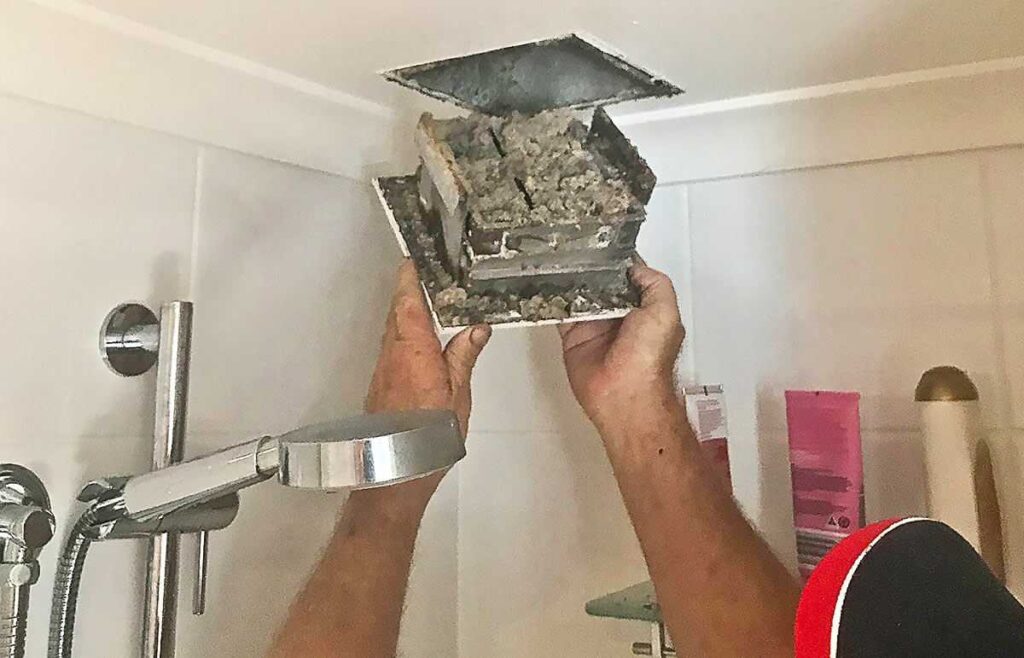
Recognizing poor bathroom ventilation early can save you from costly repairs and health risks.
Here are some common signs that your bathroom needs better ventilation:
- Persistent Mold and Mildew : If mold keeps appearing on walls, ceilings, or grout, your bathroom is retaining too much moisture.
- Foggy Mirrors and Windows : Condensation that lingers long after a shower is a sign that humidity isn’t escaping properly.
- Musty Odors : Stale, damp smells indicate trapped moisture and poor air circulation.
- Peeling Paint or Wallpaper : Excess moisture can cause walls and ceilings to deteriorate.
- Warped Wood or Rusty Fixtures : Water damage can lead to warped doors and rust on metal fixtures.
Types of Bathroom Ventilation Fans
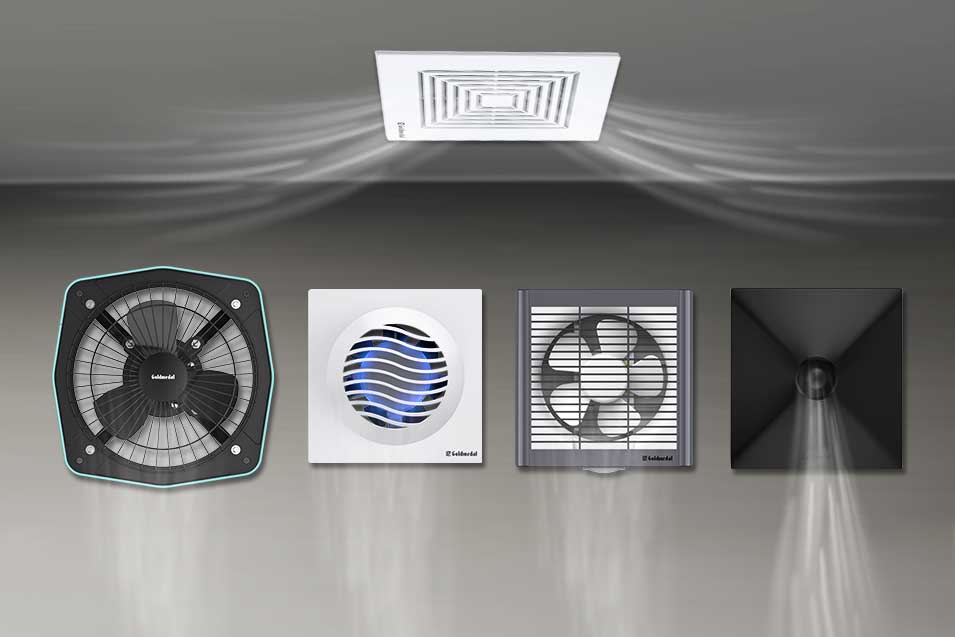
Bathroom ventilation fans come in different types, each designed to suit various needs.
Choosing the right one depends on your bathroom size, layout, and specific ventilation requirements.
- Ceiling-Mounted Fans : Installed in the ceiling, these fans vent moisture through ductwork leading outside.
- Wall-Mounted Fans : Ideal for bathrooms without attic access, these fans vent directly through an exterior wall.
- Inline Fans : Installed within the duct system, these fans are quieter and suitable for larger bathrooms.
- Humidity-Sensing Fans : Equipped with sensors, these fans automatically turn on when humidity levels rise.
- Light and Heater Combo Fans : Multi-functional fans that provide lighting and heating while ventilating.
How to Choose a Bathroom Ventilation Fan
Choosing the right bathroom ventilation fan ensures effective moisture control and prevents long-term damage.
With various models available, it’s important to consider factors like size, noise level, and energy efficiency to find the best option for your home.
1. Size of the Bathroom
The fan’s power is measured in cubic feet per minute (CFM). A good rule is to have at least 1 CFM per square foot of bathroom space.
Larger bathrooms may require higher CFM ratings or multiple fans to ensure proper ventilation.
2. Noise Level
Bathroom fans produce noise, measured in sones. Lower ratings (1.5 sones or less) indicate quieter operation, making them ideal for bathrooms where noise could be disruptive, especially in homes with light sleepers.
3. Energy Efficiency
Fans with an ENERGY STAR rating use less electricity while maintaining strong performance.
These models reduce energy costs and help lower your household’s environmental impact.
4. Additional Features
Some fans include extra features like built-in lighting, heaters, or humidity sensors.
Humidity-sensing fans automatically turn on when moisture levels rise, making them convenient and energy-efficient.
5. Ducting and Venting Options
Proper duct installation is essential to vent moist air outside instead of into the attic or walls.
Ensure the duct is the correct size and as short as possible to maximize airflow efficiency.
Bathroom Ventilation Requirements
For effective ventilation, follow these general guidelines:
- The fan should provide at least 50 CFM for small bathrooms and 100 CFM or more for larger spaces.
- Fans should vent directly outside, not int
- o attics or other interior spaces.
- Proper ducting ensures that humid air is expelled efficiently without causing condensation buildup inside walls or ceilings.
- Regular maintenance, such as cleaning the fan and ducts, improves efficiency and longevity.
Bathroom Ventilation Window Size

In some cases, a bathroom window can provide ventilation instead of a fan.
To meet ventilation requirements, the window should be at least 3 square feet in size, with at least half of it able to open.
However, a ventilation fan is still recommended, especially in humid climates like Singapore, where moisture levels can be high year-round.
How to Replace a Bathroom Ventilation Fan
If your existing fan is noisy or ineffective, it may be time for a replacement. Here’s how to do it:
- Turn Off Power : Switch off electricity to the fan at the circuit breaker.
- Remove the Old Fan : Unscrew the cover and disconnect wiring and ductwork.
- Measure the Existing Space : Ensure the new fan fits the existing housing or make necessary adjustments.
- Install the New Fan : Secure the new fan in place, connect wiring, and attach ducting.
- Test the Fan : Restore power and check for proper operation.
- Seal and Finish : Ensure there are no air leaks and attach the cover securely.
If you’re unsure about replacing a bathroom ventilation fan yourself, it’s best to call a professional plumber for installation.
What to Avoid When Installing a Bathroom Ventilation Fan
To ensure proper functionality, avoid these common mistakes:
- Venting into the Attic : This traps moisture in your attic, leading to mold and structural damage.
- Undersized Fans : A fan that’s too weak won’t effectively remove humidity.
- Improper Duct Installation : Kinks or long duct runs reduce efficiency and airflow.
- Skipping Regular Maintenance : Dust buildup can lower performance and increase fire risk.
- Choosing the Wrong Location : The fan should be placed near the shower or bathtub for optimal moisture removal.
Need a Reliable Plumber? Contact GSE Plumber
If you need professional help with bathroom ventilation fan installation, replacement, or any plumbing service, contact GSE Plumber.
We are a 24-hour plumber in Singapore, specializing in toilet bowl replacement, toilet bowl choke repair, leak detection, and more. Call us today for fast and reliable service!